
6 Instant Tips to Help You Float on Your Back
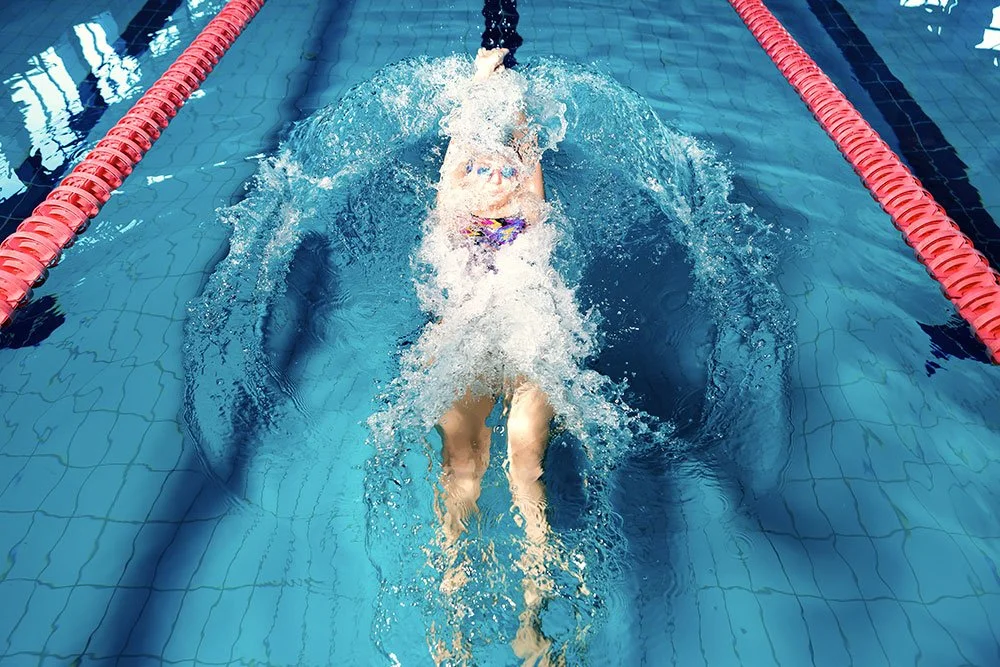
6 Instant Tips to Help You Float on Your Back
Do your legs sink when you try to float? Does lying back in the water make you feel uneasy?
Learning how to float on your back can take practice. A few small adjustments to your position and breathing can help you feel more comfortable and find your balance.
Back floating is a useful swimming and water safety skill. These six tips give you a starting point, whether you’re learning yourself or helping your child practise.
Before you begin: Practise in a supervised swimming pool with a qualified swim teacher or capable adult beside you. Children need close, active supervision, with young children and non-swimmers within arm’s reach. Floating ability never replaces supervision.
1. Start with support
If you feel nervous about floating, begin with someone supporting you in the water.
A swim teacher can help you ease into a back float, adjust your position and learn how to return to standing. Knowing how to finish the float can make starting it feel much less daunting.
For children, explain what you’re doing before moving them backwards. Keep support predictable, and avoid letting go unexpectedly.
2. Look up and let your ears rest in the water
Trying to look at your feet lifts your head and can make it harder to maintain your floating position.
Look towards the ceiling or sky and allow the back of your head to rest in the water, with your ears submerged. Avoid forcing your neck into an uncomfortable position.
For children, a simple cue such as “look at the ceiling” can be easier to follow than several instructions at once.
3. Give yourself room to balance
Try opening your arms and legs into a comfortable star shape.
Experiment with their position while your teacher or support person stays beside you. Small adjustments can help you find a position that feels steadier.
You don’t need to copy someone else’s float exactly. The most useful position is one that helps you keep your face clear and breathe comfortably.
4. Keep breathing comfortably
It can be tempting to hold your breath while concentrating on floating.
Instead, aim for steady, comfortable breathing. If you feel anxious or start holding your breath, return to a supported position and reset.
Keep early attempts brief. A few calm, supported seconds give you something to build on.
5. Allow gentle movement
Floating doesn’t have to mean staying completely still.
Small sweeping movements of your hands, or gentle movements of your feet, can help you maintain your position. Ask your swim teacher to show you how to make these movements without splashing or rushing.
It’s also okay for your legs to sit lower in the water. Everyone floats differently; having your toes at the surface isn’t the goal.
6. Practise one change at a time
Trying to remember every instruction at once can be overwhelming.
Choose one thing to work on: looking up, becoming comfortable with your ears in the water, or maintaining steady breathing. Rest between attempts and build gradually.
When helping a child, acknowledge specific progress: “You kept looking up that time” gives them useful feedback they can repeat.
Still finding back floating difficult?
A swim teacher can help identify which adjustments work for you or your child and provide support while confidence develops.
At School of Little Swimmers in Klemzig, Adelaide, we help students build swimming skills through clear guidance, encouragement and practice suited to their ability.
Contact our team to discuss swimming lessons and find a suitable starting point for your child.
Ready to Take the Next Step?
Let us help you ensure your child is swim-safe and thriving in the water.
👉 Explore our advanced swim programs
The link above shows places available to start within the next week.
To see the full timetable, untick “Openings Only”. Can’t find a suitable class or looking to start later?
Call 08 8460 0095 or complete our contact form, and we’ll be in touch.
contact us and we will find the best solution for you and your child. If you want to give us a go, we have a questionaire to help find out what class is suitable for your child.