
Best Swimming Goggles for Kids: What to Look For Before You Buy
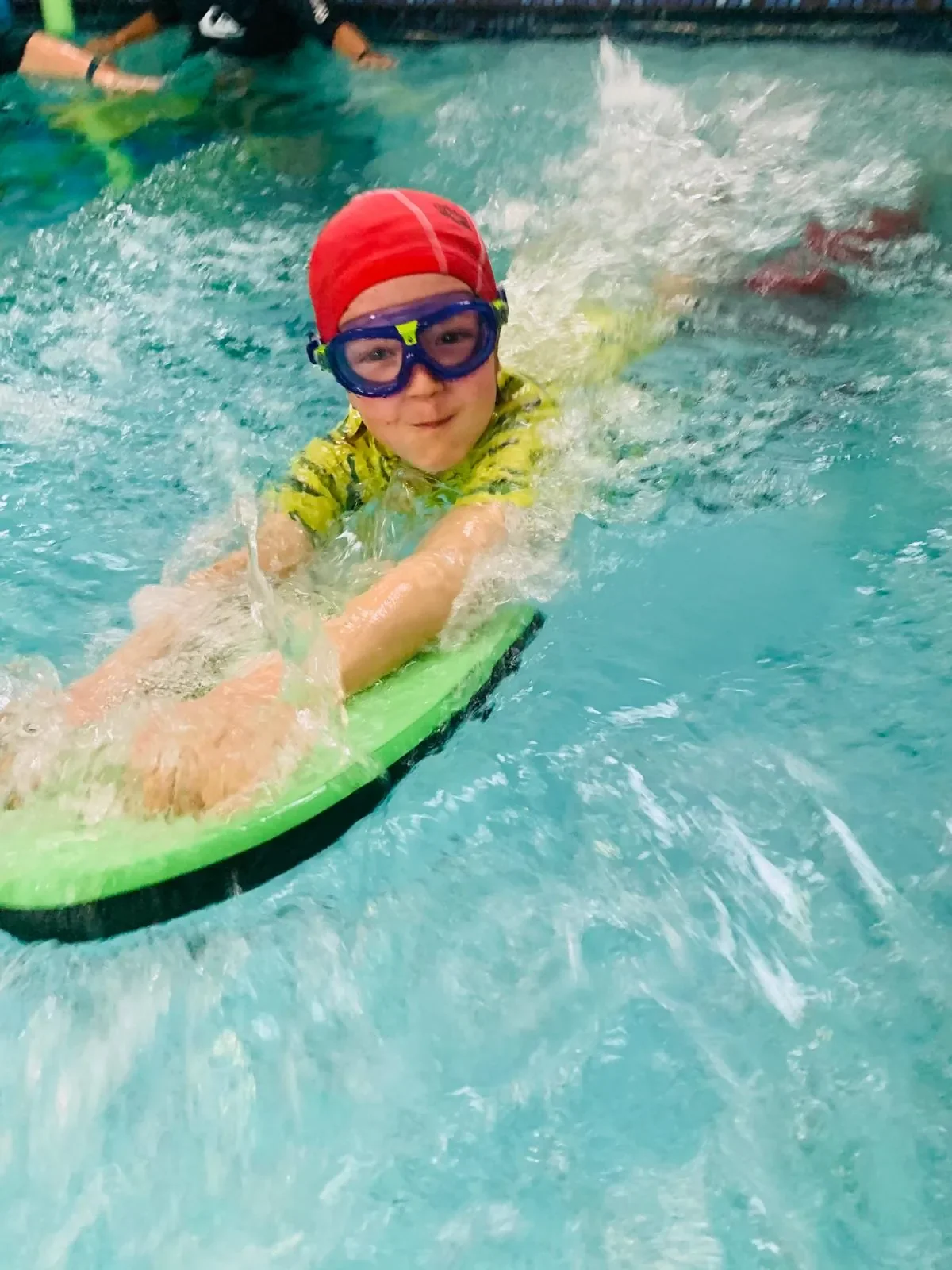
Walk past any pool in Adelaide and you'll see it: a child tugging at leaky goggles, rubbing red eyes, or refusing to put their face in the water at all. The right pair of goggles can change that. They help children see clearly, feel safe, and stay focused on learning to swim instead of fighting their gear.
At School of Little Swimmers in Klemzig, we help children build water confidence every week, and goggles are one of the most common questions parents ask us. This guide covers how to choose kids' swimming goggles, how to check the fit, and how to keep them working all summer.
Do Kids Really Need Goggles?
Not every child needs goggles on day one. Babies and toddlers often start lessons without them, focusing on comfort and play in the water. But as children begin putting their faces in, swimming underwater, and practising strokes, goggles become very useful.
Goggles help because they:
Protect eyes from chlorine, which causes stinging and redness
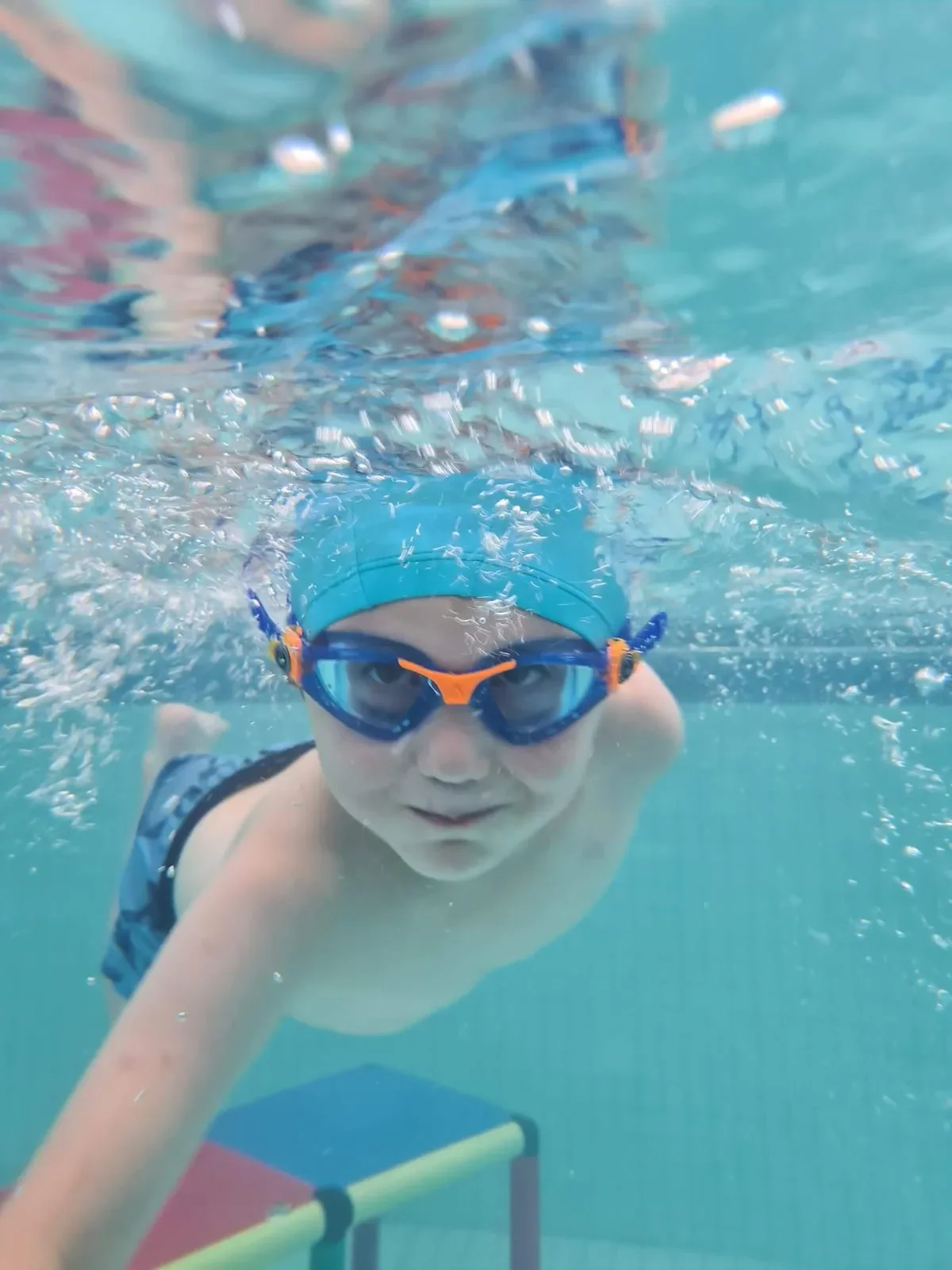
Improve underwater vision, so children can see the pool floor, lane lines, and their instructor
Build confidence, especially for children who dislike water on their face
Reduce distractions, so they can focus on the skill being taught
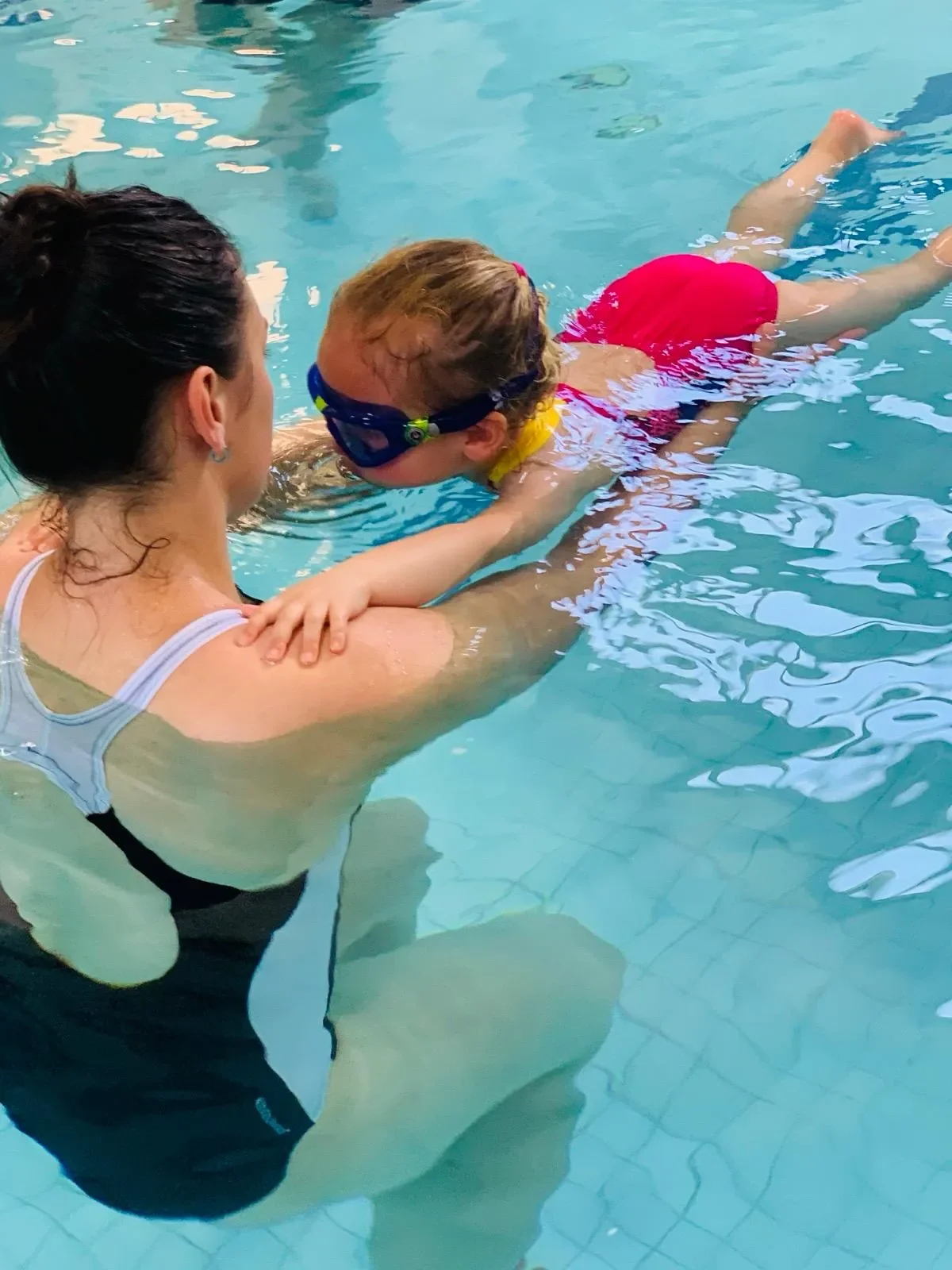
If your child is nervous about water on their face, goggles can be a helpful stepping stone. Just don't force them. Let your child choose and try them on at home first.
Kids' Swimming Goggles by Age
Babies and toddlers (under 3)
Most start lessons without goggles. If you want to try them, choose a very soft, small-fitting pair with a gentle seal, and keep wear time short.
Preschoolers (3 to 5)
Look for extra-soft silicone seals, a simple strap that's easy to adjust, and a child-sized frame. Fun colours help, but fit comes first.
Primary school age (6 to 12)
Children in this range can handle more features like anti-fog coatings and UV protection. Junior-sized goggles are designed for smaller faces, so avoid adult pairs, which leak and press on the eye sockets.
Teens
Teens can usually move to adult or small-adult goggles. Streamlined, low-profile pairs suit stroke work and squad training.
What to Look For in Kids' Swimming Goggles
1. A Soft, Comfortable Seal
Silicone seals are gentle on young skin and mould to the face. Hard plastic edges can dig in and cause marks, which makes children reluctant to wear them.
2. A Proper Fit
Fit matters more than price, brand, or colour. Skip to the fit test below before you buy.
3. Anti-Fog Coating
Fogging is the number one complaint. A good anti-fog coating keeps vision clear for longer, though it wears down over time.
4. UV Protection
Outdoor swimming in South Australia means strong sun. UV-protective lenses are worth having for backyard pools, beach swims, and outdoor carnivals.
5. Lens Tint
Clear or light blue: best for indoor pools
Tinted or mirrored: better for bright outdoor conditions
6. An Easy-to-Adjust Strap
A split strap with a simple slide buckle lets children (and parents) adjust the goggles quickly. Avoid straps that pull hair or are hard to loosen.
The 10-Second Goggle Fit Test
Always test goggles before buying, or at home before the first lesson:
Hold the goggles against your child's eyes without the strap.
Press gently so they stick by suction.
Let go. If they stay on for a few seconds, the fit is good.
If they fall off straight away, the seal is too wide or the shape is wrong for your child's face.
Then check the nose bridge. Most kids' goggles come with adjustable nose pieces, so try different sizes if the first one doesn't feel right.
How to Put Goggles On Correctly
Many leaks come from wearing goggles the wrong way. Teach your child to:
Place the lenses over the eyes first, then pull the strap over the back of the head
Position the strap high on the back of the head, not on the neck
Make sure no hair is caught under the seal
Tighten only until snug. Over-tightening causes headaches and doesn't stop leaks
Never pull goggles forward and let them snap back
How to Stop Goggles from Fogging
Fogged goggles are frustrating, especially for children. Try these fixes:
Don't wipe the inside of the lens. This removes the anti-fog coating.
Rinse in fresh water after each swim.
Let them air dry completely before putting them away.
Avoid touching the inside. Skin oils cause fog.
Use a small amount of anti-fog spray if the coating has worn off, following the product instructions.
Goggle Care Tips for Parents
Good care makes goggles last longer and keeps eyes comfortable.
Rinse with fresh water after every swim, especially after chlorine or salt water
Dry by gently shaking or patting, never rubbing
Store in a hard case or pouch, away from heat and direct sun (a hot car is the enemy)
Keep a spare pair in the swim bag, because kids lose and break goggles often
Replace them when the seal hardens, the strap stretches, or the lens scratches
Common Goggle Mistakes Parents Make
Buying adult goggles for a small child
Choosing on colour or character alone
Over-tightening the strap to stop a leak
Leaving goggles in a hot car or wet bag
Pushing a reluctant child to wear them before they're ready
What to Pack for Swimming Lessons in Adelaide
Along with goggles, children usually need:
Fitted swimwear (and a swim nappy for babies and toddlers)
A towel and warm change of clothes
A swim cap for long hair, if required
A water bottle
Frequently Asked Questions About Kids' Swimming Goggles
What age can kids start wearing swimming goggles?
Many children are comfortable with goggles from around age 3, but it depends on the child. Babies and toddlers usually don't need them. Ask your instructor if you're unsure.
Do kids need goggles for swimming lessons?
Goggles can help children see underwater and feel more confident, but they aren't compulsory for every swimmer. [Confirm your school's policy.] Not sure what to bring? See our new student FAQs.
Why do my child's goggles keep leaking?
The most common causes are the wrong size, hair caught under the seal, or a strap that sits too low on the head. Try the 10-second fit test and adjust the nose piece.
Why do goggles keep fogging up?
Fog forms when warm air meets a cool lens. Avoid wiping the inside of the lens, rinse goggles in fresh water after each swim, and let them air dry. If the anti-fog coating has worn off, use a small amount of anti-fog spray.
How tight should kids' goggles be?
Snug, not tight. The seal should rest gently around the eyes without leaving deep red marks. Over-tightening causes headaches and doesn't stop leaks.
How often should I replace my child's goggles?
Children who swim weekly usually need new goggles every 3 to 6 months, or sooner if the seal hardens, the strap stretches, or the lens scratches. Children also outgrow them, so recheck the fit each season.
Are expensive goggles worth it?
Mid-range goggles from reputable swim brands usually give the best value. Look for soft silicone seals, anti-fog coating, UV protection, and the right size rather than a high price tag.
My child hates wearing goggles. What can I do?
Let them choose their own pair, practise wearing them at home or in the bath, and keep early attempts short and playful. If your child is anxious about the water, read our guide to helping a nervous swimmer or ask about our children's swimming lessons.
Ready to Take the Next Step?
Let us help you ensure your child is swim-safe and thriving in the water.
👉 Explore our advanced swim programs
The link above shows places available to start within the next week.
To see the full timetable, untick “Openings Only”. Can’t find a suitable class or looking to start later?
Call 08 8460 0095 or complete our contact form, and we’ll be in touch.
Contact us and we will find the best solution for you and your child. If you want to give us a go, we have a questionaire to help find out what class is suitable for your child.
Recommended Reading
Not Sure Where to Start With Swimming Lessons?
What to Do When Your Child Hates Going to Their Swimming Lesson
